
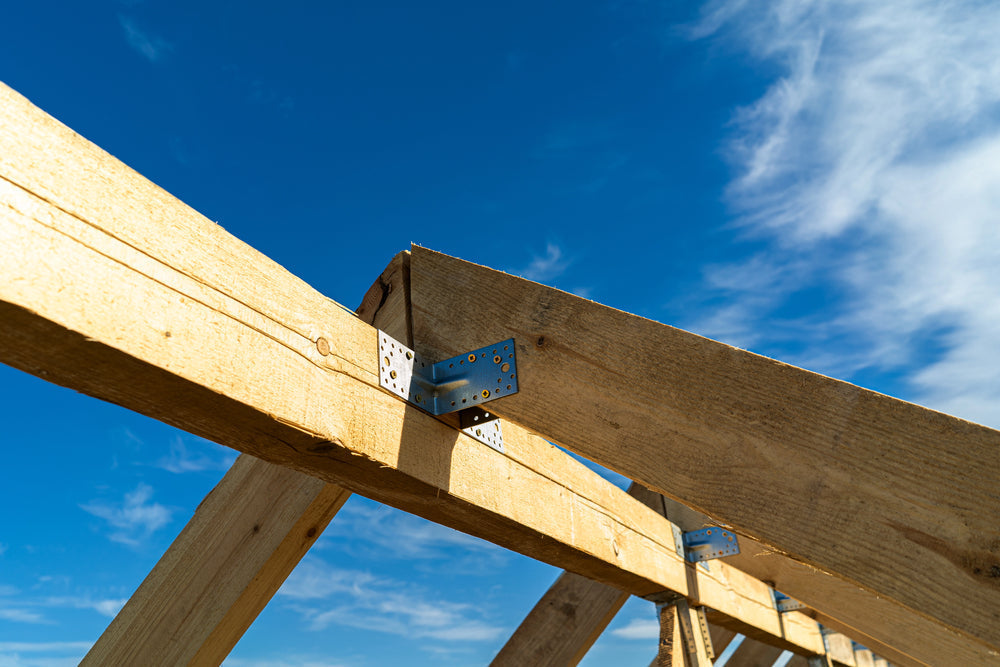
Hurricane clips vs. straps shape the way homes resist strong winds, especially in regions with storm activity. Many builders look at Seismic & Hurricane ties, hurricane clips, and similar connectors as part of a larger system that strengthens roof framing. These connectors help stabilize roof framing when wind forces shift during a storm.
Hurricane clips vs. straps shape the way homes resist strong winds, especially in regions with storm activity. Many builders look at Seismic & Hurricane ties, hurricane clips, and similar connectors as part of a larger system that strengthens roof framing. These connectors help stabilize roof framing when wind forces shift during a storm.
What Are Hurricane Clips and Straps?
Understanding hurricane clips and straps helps contractors make informed choices that match building needs. The hardware may look simple, but each connector plays a specific role in the relationship between the roof and wall framing. Builders who work with Seismic & Hurricane ties often pair these components to strengthen homes in high-risk environments.
The differences between hurricane clips and straps extend beyond appearance. Hurricane clips attach to one side of the truss, while straps wrap farther around the framing for added hold. Even with these variations, builders often use Seismic & Hurricane ties alongside either option to create a stronger connection that helps buildings handle unpredictable wind patterns.
Strength through Connector Design
The design of a connector influences how load forces move through the framing. Clips hold trusses at specific points, which helps maintain alignment during wind gusts. Straps extend across wider surfaces, so they distribute pressure across more wood contact. This larger footprint helps the connection hold steady when uplift forces shift direction during a storm.
These differences explain why builders select certain hardware based on structural goals. A strap may suit projects that call for broader coverage, while a clip may match lighter framing conditions. Both contribute to stronger roofs, and both function best when installed with the correct fasteners that match material thickness and manufacturer guidelines.
How Truss Attachment Methods Affect Stability
A clip fastens directly to the truss and top plate at a single point. This creates a focused connection that resists upward pull during high winds. In contrast, a strap curves over the truss so the connection covers two sides, which helps distribute force across a wider area and reduces pressure at the center.
This larger contact zone allows straps to maintain grip even as wind patterns shift direction. Builders recognize that a strap’s extended path supports broader truss coverage. Clips remain valuable because they install quickly and work well in spaces with tight clearances that cannot accommodate longer hardware.
Wind Uplift Resistance in Real Conditions
Wind uplift begins when strong gusts flow across the roof surface. Clips resist this movement by anchoring trusses tightly to the top plate. Their metal structure restricts upward motion so the roof maintains alignment under pressure. This holds the framing in place long enough to keep walls and roof movement synchronized.
Straps expand this level of reinforcement by distributing uplift forces across multiple points. Their extended wrap helps prevent the truss from twisting during changing wind angles. The additional coverage reduces the risk of separation at weak points, making straps a preferred option in high-exposure zones.
Material Quality and Hardware Durability
Most connectors come from galvanized steel that resists corrosion. This matters when the hardware sits in humid coastal climates, where salt exposure weakens inferior materials. Clips and straps built from stronger steel maintain their shape under load and avoid early deterioration, which helps the structure stay dependable over time.
Durability links directly to long-term performance. Builders choose hardware that holds its structural integrity even after years of temperature swings. High-grade hardware maintains fastener grip, resists expansion fatigue, and helps contractors meet structural codes in demanding environments where environmental conditions shift year after year.
Installation Space and Structural Fit
Some framing spaces limit the type of connector that fits comfortably. Clips work well in smaller cavities where a full strap cannot wrap around the truss. Their compact shape allows easy fastening without interference from adjacent beams or insulation. This flexibility makes clips a dependable choice for tight construction layouts.
Straps require more open space because they wrap over the truss. Builders working on new construction often choose straps for this reason, as they can design the framing to support the hardware from the beginning. The wider coverage produces stronger support in return, making the added space worthwhile.
Fastener Placement and Holding Power
Fasteners anchor connectors to both trusses and top plates. A clip may require fewer nails, but each nail must sit precisely in the holes intended by the manufacturer. Correct placement strengthens the connection and helps the clip distribute force without bending under pressure during intense wind activity.
Straps feature more nail holes along their length. This layout helps builders add more fasteners as needed while maintaining balanced pressure. When installed properly, the added fasteners help the strap grip the framing more firmly, reducing movement that may occur during shifting wind patterns.
Differences in Code Compliance and Inspection
Building codes often specify which connectors meet required wind-load ratings. Inspectors verify that clips or straps align with these expectations. Clips must anchor firmly to the top plate and truss, while straps must wrap completely over the framing with the correct number of fasteners. Each type must meet load ratings set by local regulations.
Straps may score higher in some wind-mitigation programs because of their extended surface coverage. Inspections confirm that a strap reaches both sides of the truss for full compliance. Contractors rely on accurate documentation to show that connectors match approved hardware lists for building departments and insurance assessments.
How Clips and Straps Perform in Renovation Projects
Renovation work often brings unpredictable framing layouts. Clips fit these environments because they install easily in spaces with irregular beam patterns. Older homes sometimes require precision hardware that works around existing obstacles, making clips a practical solution for reinforcement during upgrades.
Straps work best when contractors have full access to trusses. Renovation teams may remove ceiling sections to install straps where space allows. The outcome supports stronger truss connections and helps homes withstand wind conditions more effectively after structural adjustments or reinforcements.
Role in Multi-Hazard Construction Environments
Some regions face simultaneous threats, such as wind and seismic activity. Clips offer focused anchoring that helps roof structures stay aligned during vibration and uplift. They support stability at key points where movement could compromise roof-to-wall relationships during intense shaking or sudden gusts.
Straps enhance this performance with wider coverage across the truss. Their broader distribution helps absorb dynamic forces, so buildings maintain roof stability under multi-hazard conditions. Builders appreciate that straps contribute to resilient construction strategies that address multiple environmental challenges in one hardware solution.
Long-Term Value for Builders and Property Owners
Clips cost less and install quickly, which helps contractors finish projects on efficient timelines. They deliver dependable strength during storms and remain a reliable choice for many design plans. This combination of value and practicality explains their steady use across a wide range of construction settings.
Straps offer expanded strength and long-term stability, particularly in communities with repeated wind exposure. Their larger coverage supports prolonged building integrity and reduces the chances of long-term structural separation. Builders often select straps for projects in coastal or high-risk zones where stronger reinforcement benefits the property owner.
Why These Connectors Matter in Modern Construction
Hurricane clips and straps influence roof performance in ways that shape building safety and long-term stability. Clips support reliable reinforcement in tight spaces, while straps offer additional coverage that benefits structures exposed to heavier wind conditions. Both hardware types play meaningful roles in connecting roof and wall components during demanding weather.
Contractors evaluate building needs, environmental risks, and framing layout before choosing hardware. Clips work well for focused attachment, and straps deliver broader distribution that handles higher wind exposure. Selecting the right connector helps builders strengthen structures with hardware that matches design goals and long-term expectations.
Strengthen Your Structure with Factory Direct Supply
Choosing between hurricane clips and straps depends on wind exposure, framing layout, and code requirements. Both connectors play important roles in roof-to-wall strength when matched correctly to the structure and environment.
At Factory Direct Supply, we stock hurricane clips, straps, and Seismic & Hurricane ties that help builders reinforce structures with dependable hardware built for demanding conditions. For pricing, availability, or custom orders, contact us today so we can help you find the right parts for your next project.