
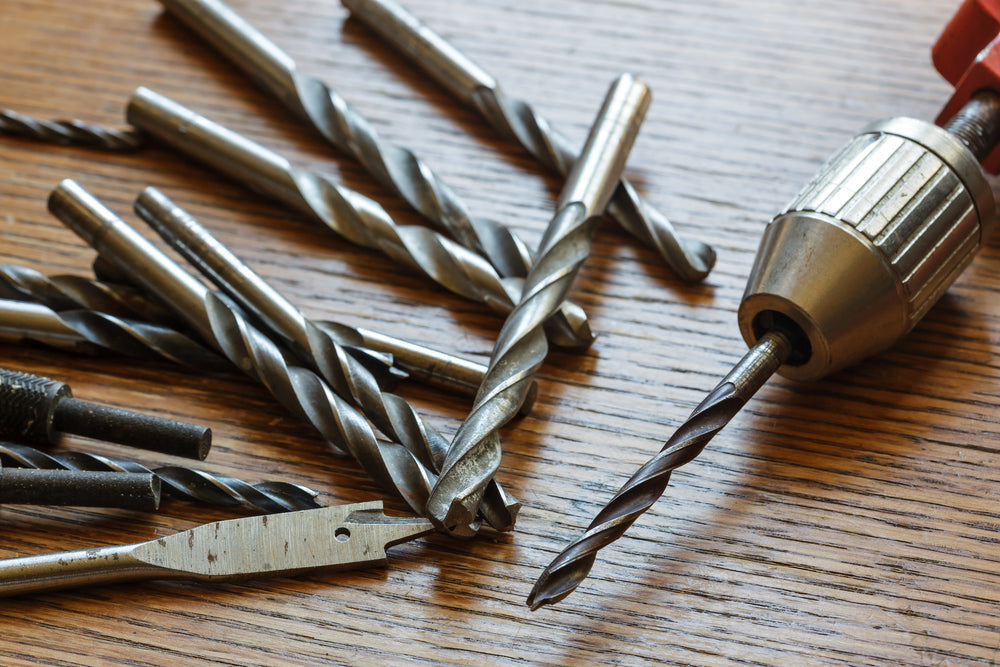
Drill bits directly affect how efficiently a project moves from start to finish, which naturally raises questions about longevity. Many users ask "how long do drill bits last?", especially when comparing different materials and jobs. Drill bits and drill bit acessories function best when matched to proper applications, allowing each tool to perform with steady and dependable results over time.
Drill bits directly affect how efficiently a project moves from start to finish, which naturally raises questions about longevity. Many users ask "how long do drill bits last?", especially when comparing different materials and jobs. Drill bits and drill bit acessories function best when matched to proper applications, allowing each tool to perform with steady and dependable results over time.
Factors That Shape DrillDrill bits Bit Lifespan
Drill bits experience varying demands based on the material being drilled, which shapes expectations for lifespan and wear patterns. Drill bits & accessories work through friction and heat, creating gradual changes that influence durability with repeated use. Regular inspection and practical technique influence performance, helping users understand what affects overall lifespan.
Drill bits show different results depending on brand construction, heat resistance, and intended use.Many users compare carbide, high-speed steel, and cobalt options to see how each performs in more demanding conditions. Material choice and working conditions guide how long drill bits last under day-to-day use.
Understanding Wear Patterns in Different Materials
Drill bits operate under pressure, and each surface type introduces unique demands that affect longevity. Hard concrete produces more friction than wood, which increases heat and shortens tool life on challenging jobs. Steel applications show different strain levels, creating wear patterns that help users judge suitable replacement intervals for consistent performance.
Heat levels rise as drilling progresses through dense surfaces, which can influence steel temper and edge sharpness in noticeable ways. Material hardness determines the rate of decline, making proper pairing of drill bits a meaningful factor. Consistent monitoring allows users to recognize changes that signal declining performance during extended tasks.
How Heat Impacts Bit Longevity
Heat is a natural byproduct of drilling, but excessive temperatures influence the structure of many common materials. Edge dulling appears when heat repeatedly reaches levels that change the metal’s hardness, especially in demanding surfaces. Carbide handles higher temperatures, while steel materials may lose sharpness more quickly during strenuous drilling.
Users often notice slower penetration when heat accumulates, which indicates that edges are beginning to wear. Cooling periods, lighter pressure, and steady speeds help maintain more predictable results. Heat plays a major role in how long drill bits last because temperature directly affects structural integrity.
Comparing High-Speed Steel, Cobalt, and Carbide
High-speed steel offers balanced durability for general tasks and remains a popular choice for basic drilling needs. Cobalt versions hold up against tougher metals due to higher heat tolerance, allowing longer use in demanding environments. Carbide tools operate well under rugged conditions and suit heavy applications that require extended durability.
Each category offers a different balance of strength and lifespan, making selection an important step for project planning. Premium materials cost more but often maintain performance for longer periods. Choosing the correct option helps users match drill bits to specific projects with predictable and steady results.
How Technique Influences Longevity
Technique plays an important role in tool life because pressure, angle, and drill speed influence wear. Excessive force stresses the edges and increases surface temperature, shortening overall lifespan. A steady approach allows the bit to cut rather than grind, preserving the structure for more consistent outcomes.
Proper technique supports longer work intervals by reducing unnecessary strain during drilling. Balanced speed keeps friction at manageable levels, which protects the cutting edges over time. Careful handling creates predictable performance patterns and reduces the frequency of replacements.
Signs That Indicate a Bit Needs Replacement
Users notice performance changes before drill bits reach complete failure, and these signals serve as helpful guides. Slower penetration through surfaces suggests dulling edges that cannot cut as effectively as before. Increased vibration indicates structural weakening or uneven surfaces on the bit.
Noise changes also appear as edges wear, creating a harsher sound during operation. Discoloration points to heat impact that may have altered the metal’s hardness. Recognizing these indicators allows users to replace tools before further damage occurs.
How Material Density Influences Performance
Dense materials demand stronger resistance from the bit, producing more friction on each pass. Hard metals create noticeable stress that requires tougher construction for reliable drilling. Softer woods handle faster speeds with less strain, allowing extended tool life under lighter workloads.
Material density shapes expectations because heavier resistance accelerates surface wear. Users often adjust techniques to suit each material’s unique characteristics. Correct pairing of bit type and surface helps protect performance on longer projects.
The Role of Coolants and Cutting Fluids
Coolants assist with temperature control during drilling through metals, which helps protect structural integrity. Lower temperatures support sharper edges for longer periods, especially during repeated drilling sessions. Fluids also reduce friction, allowing smoother bit rotation through difficult surfaces.
Some materials react better to lubrication, making cutting fluids a meaningful choice during demanding applications. Coolants reduce heat shock that may otherwise weaken the edges. Proper temperature management creates more predictable performance across longer intervals.
How Frequency of Use Affects Lifespan
Frequent drilling accelerates wear because each pass introduces friction that gradually shapes the edges. Occasional use allows longer life due to lighter overall strain across time. Project volume plays a major role in predicting replacement schedules.
Users who work on heavy projects experience faster wear patterns than those with light household tasks. Increased workload demands tougher materials for predictable results. Frequency influences expectations because drilling volume directly affects tool longevity.
Storage and Maintenance Practices That Matter
Storage methods shape long-term durability by protecting bits from rust, bending, or accidental impact. Clean surfaces prevent residue buildup that affects performance during future projects. Protective cases reduce the chance of damage during transport or daily handling.
Maintenance routines strengthen reliability by keeping edges free of contaminants that cause friction. Light cleaning after each task maintains better cutting action for future use. Good storage and care contribute to longer service life across multiple tasks.
Keeping Drill Bits Performing as Intended
Users gain better results when they pair high-quality materials with practical handling methods. Each task introduces different demands, and consistent habits help maintain tool structure across extended periods. Thoughtful selection and maintenance help drill bits deliver steady and dependable performance on a broad range of surfaces.
Get Your Source for Reliable Drill Bits
Drill bit lifespan depends on material choice, heat control, and proper technique. Matching the right bit to the task and maintaining it correctly helps extend usable life and improve results
At Factory Direct Supply, we carry high-performance drill bits and accessories for projects of all sizes, backed by fast service and dependable expertise. For custom orders or product guidance, contact us today and our team will assist with the right materials for any application.