
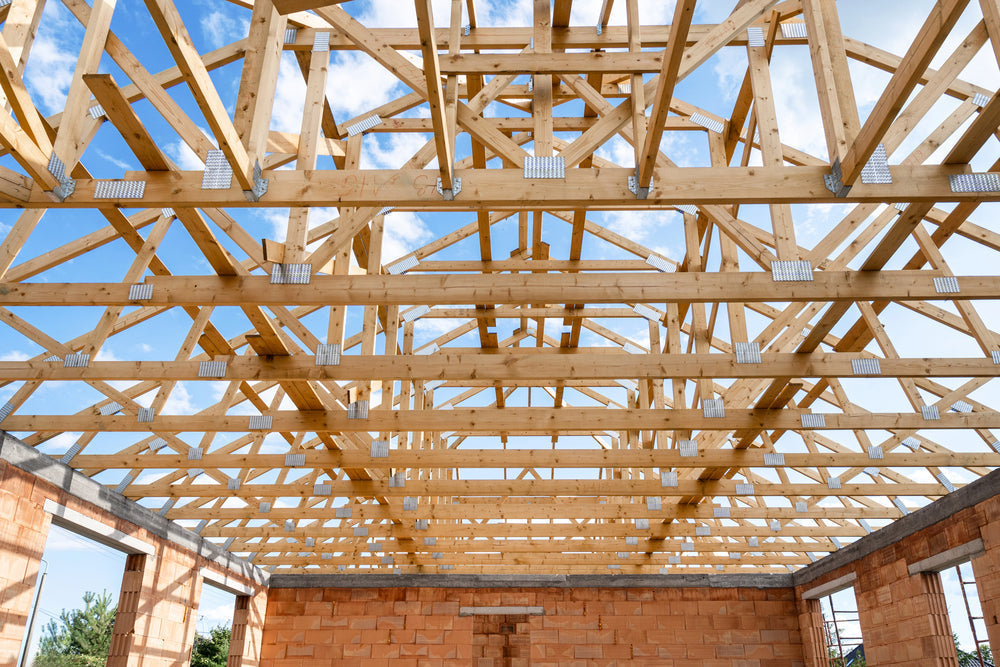
The question "can I use screws for hurricane ties" appears frequently among builders who want clarity on fastening options. Seismic & Hurricane ties play a major role in strengthening roof-to-wall connections, which raises understandable questions about fastening performance. Simpson Strong-Tie screws and nails often appear in these conversations because they support many structural applications.
The question "can I use screws for hurricane ties" appears frequently among builders who want clarity on fastening options. Seismic & Hurricane ties play a major role in strengthening roof-to-wall connections, which raises understandable questions about fastening performance. Simpson Strong-Tie screws and nails often appear in these conversations because they support many structural applications.
Understanding Code Limits and Fastener Approvals
Codes and manufacturer guidance shape most fastening decisions for Seismic & Hurricane ties in residential and commercial construction. The use of Simpson Strong-Tie screws and nails depends on engineering approvals, load ratings and installation guidelines that match the intended application. These considerations matter most for contractors selecting fasteners that meet specific load requirements.
Builders often ask "can I use screws for hurricane ties" because structural screws now appear in many code-approved applications. Some screws carry ratings that compete with traditional nails, which expands options in certain fastening situations. Manufacturers list approved fasteners for specific connectors that carry uplift and lateral load demands.
Fastener Performance in Structural Connectors
Fastener strength influences how well a connector performs under wind or seismic forces. Connections that use Seismic & Hurricane ties usually rely on fasteners that transfer loads into framing members with predictable strength. Nails often have higher shear strength, while rated structural screws offer alternative performance in specific listed applications.
Engineers test different fasteners to confirm which ones match a connector’s published load capacity. Simpson Strong-Tie screws and nails undergo extensive verification for dependable behavior under uplift and lateral forces. Approved fastening options depend on connector design, application conditions and manufacturer testing.
Why Nails Remain Common in Hurricane Tie Installations
Nails seat securely within wood fibers and create strong shear resistance during high winds. Many uplift connectors, including Seismic & Hurricane ties, list specific nail sizes that match tested performance charts. These charts link directly to building code approvals that drive construction practices.
Nail installation also moves quickly, which adds value on busy job sites. Quick installation helps crews stay productive without compromising tested connector strength. Simpson Strong-Tie screws and nails may both appear in a catalog, but only designated options fit published tables for hurricane ties.
How Approved Screws Differ from Standard Screws
Structural screws designated for connectors carry engineering evaluations that match uplift and lateral requirements. These screws use hardened steel, specialized thread geometry and precise coatings that support structural applications. Standard wood screws lack these design qualities and do not meet connector load requirements.
Manufacturers mark approved structural screws clearly so installers can match them with correct connectors. This labeling reduces confusion on job sites and helps contractors follow published fastening tables. Fasteners that match engineered specifications maintain the load path that Seismic & Hurricane ties support throughout the structure.
When Screws Are Allowed in Hurricane Tie Applications
Some connectors include approved Simpson Strong-Tie screws and nails in their published load tables. These fasteners reflect completed testing that verifies performance under uplift and lateral pressure. Installers must use the exact model numbers listed in these tables for safe installation.
Approved screws may offer benefits in tight spaces or retrofit projects. Their design allows precise placement when nails cannot be driven at proper angles. When a connector lists both fastener types, installers gain flexibility without sacrificing structural performance.
Why Fastener Length and Diameter Matter
Fastener geometry plays a direct role in the load path created by a connector. Length allows the fastener to reach the correct depth within the framing member, which helps the connector resist uplift forces. Diameter influences shear performance, which matters in high-wind conditions.
Manufacturers publish recommended fastener dimensions so installers can match the connector’s intended performance. Simpson Strong-Tie screws and nails follow these dimensional guidelines across their engineered product lines. Failures often occur when installers substitute unlisted fasteners that do not match required geometry.
Installation Technique and Structural Performance
Fastener placement affects the load transfer through Seismic & Hurricane ties. Each hole in a connector aligns with a tested configuration that distributes stress throughout the hardware. Misplaced fasteners interrupt that pattern and reduce the overall strength of the connection.
Installers follow published diagrams to achieve correct placement. This approach maintains predictable performance that supports a continuous load path from the roof to the foundation. The use of correct screws or nails matters less when installation does not follow the tested pattern.
Why Manufacturers List Specific Fasteners for Each Connector
Connector testing evaluates how specific combinations of hardware and fasteners perform under controlled conditions. These results appear in load tables that guide construction practices nationwide. Installers match connectors with listed fasteners to maintain the integrity of these test results.
Simpson Strong-Tie screws and nails appear in many of these listings due to reliable performance during laboratory evaluations. Their consistency supports the load requirements that Seismic & Hurricane ties must meet in high-wind and high-seismic zones. This consistent performance supports building code approval in many regions.
Impact of Code Requirements on Fastener Selection
Building codes reference manufacturer testing to determine acceptable fastening methods. Local jurisdictions accept connectors only when they match the approved installation instructions in published evaluation reports. This framework limits the use of untested screws that lack engineering validation.
Inspectors reference these same reports during field inspections. Their evaluations confirm that fasteners match the connector’s approved installation chart. This alignment protects the structural load path that supports roofs and walls during severe weather events.
Choosing Appropriate Fasteners for Reliable Uplift Resistance
Fastener choice affects the structure’s ability to resist storm-related uplift forces. Nails remain the primary option for many connectors, but some approved screws now offer performance suitable for specific hurricane tie models. Both options play a role when listed in the connector’s catalog table.
Contractors review installation charts before starting a project to confirm correct fastener selection. These charts give accurate guidance for uplift and lateral demands in different assemblies. Using listed fasteners maintains the integrity of the roof-to-wall connection and supports long-term structural stability.
How Fastener Choices Influence Structural Performance
Fastener decisions for hurricane ties depend heavily on manufacturer testing, approved load tables and code requirements. Nails often remain the preferred option due to strong shear resistance and wide approval in connector listings. Some structural screws offer alternatives, but only when they appear in tested configurations for specific models.
Screws that lack structural ratings do not perform at the level required for connectors that transfer uplift and lateral forces. Approved Simpson Strong-Tie screws and nails carry engineered specifications that match connector requirements across commercial, residential and marine projects. Following published installation instructions supports consistent performance in demanding weather conditions.
Your Trusted Source for Structural Fasteners
Choosing the right fasteners for hurricane ties comes down to tested approvals, load ratings, and proper installation. Following manufacturer tables and code guidance helps maintain a reliable roof-to-wall connection in demanding conditions.
Factory Direct Supply carries Seismic & Hurricane ties along with approved Simpson Strong-Tie screws and nails for dependable structural connections. Contact us today for fast shipping, expert guidance and access to the hardware needed for strong, code-ready installations.