
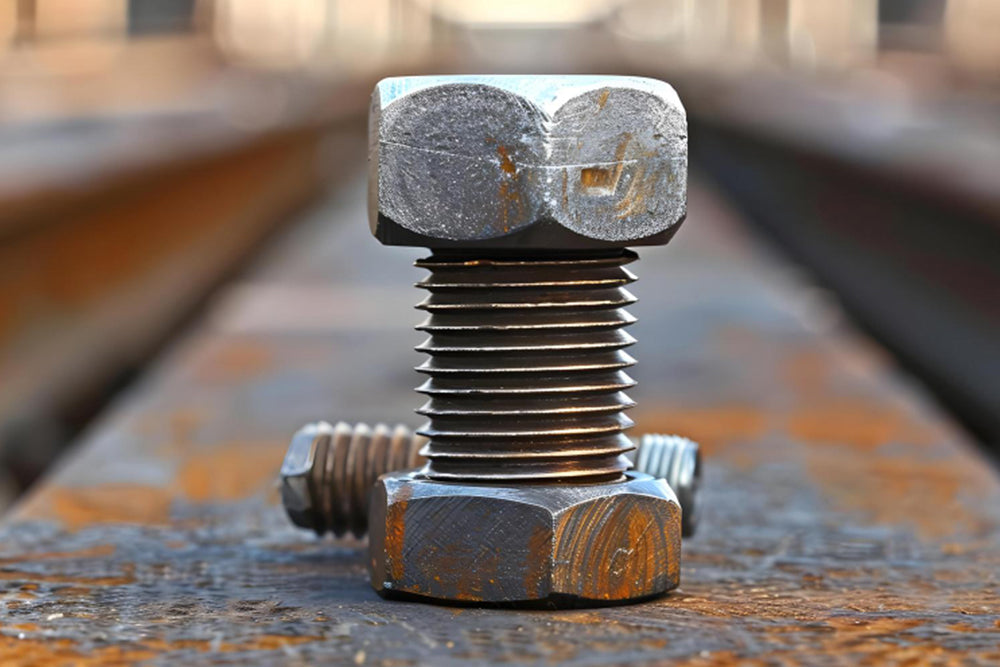
High strength fasteners secure key industrial connections through precise material composition and heat treatment. Engineers select these components based on tensile strength, shear resistance, and compliance with standards like ASTM A325 and SAE J429. The grade markings on bolt heads indicate load capacity, with Grade 8 and Class 10.9 representing superior performance. Choosing the correct fastener for each application demands careful evaluation of environmental conditions and mechanical stress.
Industrial operations rely on high strength fasteners to maintain structural integrity under extreme loads and harsh conditions. These components prevent catastrophic failures in bridges, heavy machinery, and pressure vessels. Understanding their material properties, load capacities, and proper installation techniques becomes essential for engineers, maintenance professionals, and procurement specialists seeking reliable performance in demanding environments. The right fasteners transform a simple connection into a permanent, load-bearing joint.
At Factory Direct Supply, we stock a comprehensive inventory of heavy duty fasteners from leading manufacturers. Our South Florida distribution center ships orders over $50 with no shipping fees, ensuring you receive the right components quickly.
Material Composition of Industrial Fasteners
The performance characteristics of high strength fasteners originate from their metallurgical composition. Manufacturers produce these components from medium-carbon steel, alloy steel, or stainless-steel varieties, with carbon content determining the hardenability and final strength properties. Heat treatment processes, including quenching and tempering, transform the steel microstructure to achieve specified mechanical properties. The alloying elements like chromium, molybdenum, and vanadium enhance corrosion resistance and improve performance at elevated temperatures.
Mechanical Properties and Load Capacity
Tensile strength represents the maximum pulling force a fastener withstands before breaking, while proof load indicates the maximum stress without permanent deformation. High strength fasteners exhibit minimum tensile strengths ranging from 120,000 psi for Grade 8 bolts to 150,000 psi for ASTM A490 structural bolts. The clamping force generated during installation depends on proper torque application, thread friction, and the elastic stretching of the fastener body. Understanding these mechanical properties guides engineers toward selecting the appropriate fastener grade for each specific application.
Types Of High Strength Fasteners Used
Heavy hex bolts feature larger, thicker heads designed for high-torque applications without rounding damage. Structural bolts meeting ASTM A325 and A490 specifications secure steel-to-steel connections in buildings and bridges. Lockbolts provide vibration-resistant joints through their unique two-piece design, with the collar swaged onto the pin to create permanent clamp load. Rivet nuts and blind fasteners offer single-sided installation capability for areas with restricted access.
Manufacturing Standards and Industry Specifications
How are standard fasteners graded for strength? SAE J429 establishes grading requirements for inch-series bolts, with radial lines on bolt heads indicating grade identification. ASTM International publishes specifications including F3125, which unifies A325 and A490 structural bolt requirements under one comprehensive standard. Metric fasteners follow ISO 898 property classes, with numbers like 8.8 or 10.9 stamped on bolt heads. These standards dictate material chemistry, heat treatment procedures, and mechanical testing protocols.
Applications In Heavy Industrial Machinery
High strength stainless steel fasteners secure flanged joints in chemical processing equipment and marine environments. Construction equipment manufacturers use Grade 8 bolts for track assemblies and boom connections subjected to cyclic loading. Hydraulic systems depend on hardened bolts to maintain sealing pressure on four-bolt flange connections. Mining equipment and heavy vehicles require fasteners that withstand vibration, shock loads, and abrasive conditions. Industrial mixers and pump drive shafts often need the higher shear strength provided by heat-treated pins or bolts.
Corrosion Resistance and Protective Coatings
Protective coatings extend the service life of high strength fasteners exposed to moisture and chemicals. Hot-dip galvanizing provides sacrificial protection for structural applications, while zinc plating offers moderate corrosion resistance for indoor use. Super duplex stainless-steel grades like 1.4410 combine exceptional strength with high resistance to pitting and crevice corrosion in aggressive environments. Engineers must balance coating thickness with thread fit requirements, as excessive buildup can affect installation torque and clamp load accuracy.
Installation Practices for Maximum Performance
Proper lubrication reduces friction variability during tightening, allowing torque input to translate into consistent clamping force. Thread lubricants minimize galling and permit accurate preload determination through torque-angle monitoring. The torque-plus-angle strategy involves initially torquing the fastener then rotating through a specified angle, producing reliable clamp load within plus-or-minus three percent. This method requires fasteners to remain elastic during installation, with stretch creating the clamping force. Over-tightening leads to plastic deformation and compromised mechanical properties.
Inspection And Quality Control Methods
Visual inspection identifies proper grade markings, verifying that installed fasteners match engineering specifications. Torque-tension testing determines the relationship between applied torque and resulting clamp load under controlled conditions. Hardness testing indicates whether heat treatment processes were performed correctly, with Rockwell C values corresponding to specific grade requirements. For critical applications, ultrasonic measurement detects fastener stretch, confirming adequate preload without requiring destructive testing.
Maintenance And Replacement Best Practices
During maintenance activities, replacing worn fasteners with identical grades prevents unexpected failures. Head markings often indicate grade, but damaged markings require consultation with equipment manuals or OEM specifications. Fasteners subjected to torque-to-yield tightening strategies require replacement after each use, as plastic deformation alters future clamping behavior. Regular inspection schedules should address signs of loosening, corrosion fatigue, or thread damage before these conditions compromise joint integrity.
Factory Direct Supply Puts You in Control Now
Your project demands genuine value, so we deliver exactly that. We invite you to explore our bulk industrial fasteners and experience our rapid shipping firsthand. Then check our wholesale bolts and nuts for unmatched pricing. We are Factory Direct Supply, and we make procurement simple. Factory Direct Supply guarantees your success with every order. Act today.