
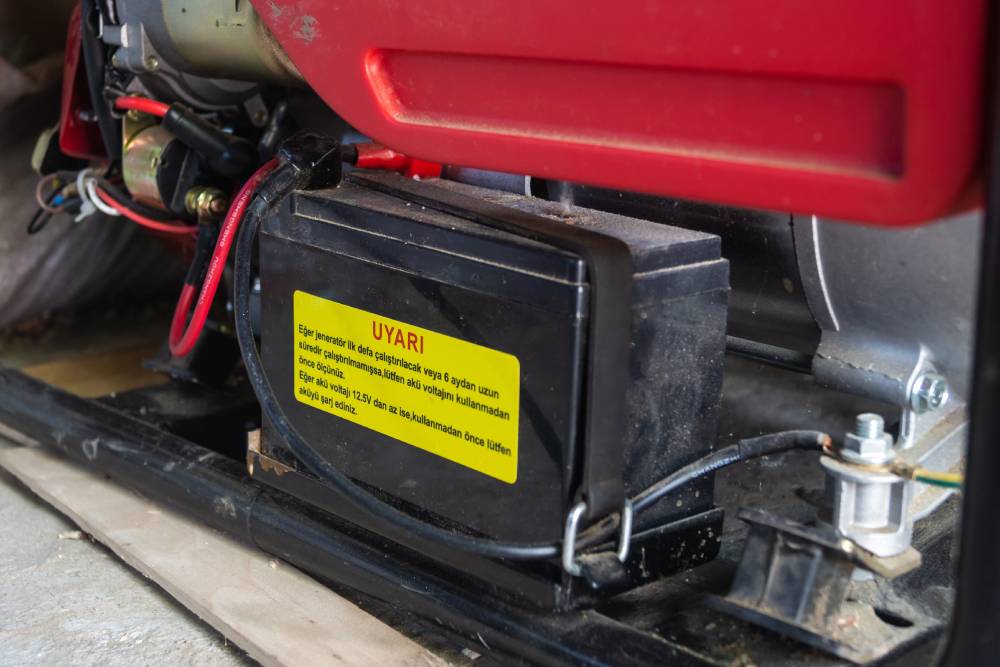
Generator batteries play a major role in starting and supporting generators used across construction and industrial sites. When planning equipment maintenance and replacement schedules, many professionals ask, "How long do generator batteries last?"
Battery lifespan depends on usage frequency, charging habits, environmental exposure, and battery construction, all of which influence long-term reliability and daily generator performance.
Battery Function in Generator Systems
Generator batteries power the starting sequence and support electronic controls during operation. When a generator starts, the battery delivers the electrical surge needed to engage the starter motor and ignition components.
This repeated demand creates internal stress that directly influences the answer to “How long does a generator battery last under regular operating conditions?”
Battery strength also supports monitoring systems, safety controls, and shutdown features during runtime. A weak battery may prevent startup even when fuel and mechanical components remain functional.
Understanding this function helps crews schedule inspections and replacements before battery issues interrupt jobsite operations or emergency power readiness.
Average Lifespan Expectations
Most generator batteries remain functional for approximately two to five years under standard working conditions. This estimate assumes moderate start cycles, proper charging output, and controlled storage environments. When operators ask, “How long does a generator battery last in real conditions?” The answer often reflects how closely usage matches recommended operating practices.
Construction environments often shorten battery lifespan due to vibration, dust, and temperature variation. Frequent starts and long idle periods further reduce service life. Planning battery replacement within expected ranges helps avoid unexpected generator downtime while supporting dependable power during active construction schedules.
Battery Types Commonly Used in Generators
Lead-acid batteries remain common in generator applications because of availability and compatibility. These batteries tolerate repeated starts but respond poorly to deep discharge and improper charging habits.
AGM batteries resist vibration better and discharge more slowly, making them suitable for construction environments where generators move frequently between job sites.
Lithium-based batteries appear in some modern generator systems, though adoption remains limited in heavy construction use.
Each battery type carries different lifespan expectations and maintenance demands. Selecting the correct option supports generator reliability while aligning performance needs with operational demands and budget planning.
Impact of Usage Frequency
Frequent generator starts impose repeated electrical loads on the battery capacity. Construction sites that cycle generators multiple times per day often experience reduced battery service life as a result.
Conversely, generators left idle for extended periods can undergo gradual battery discharge, leading to weakened batteries when consistent charging support is absent.
Both patterns influence how long generator batteries last in daily operations. Balanced usage combined with proper charging habits supports a healthier battery condition. Tracking start frequency allows crews to adjust maintenance schedules and reduce the likelihood of early battery failure.
Charging Systems and Maintenance Practices
Generator charging systems restore battery voltage during operation and standby periods. When these systems function correctly, batteries recover efficiently after each start cycle. Faulty chargers or incorrect voltage output may overwork batteries, leading to heat buildup and internal wear that shortens usable service life.
Routine maintenance includes inspecting terminals, cleaning corrosion, and verifying charging output. These actions help stabilize battery condition over time. Consistent inspections often extend battery lifespan while reducing the chance of startup failure during vital generator operation.
Environmental Conditions and Storage
Temperature significantly affects battery aging and performance. High heat accelerates chemical wear inside batteries, while extreme cold reduces available starting power. Generators stored outdoors face both challenges, especially during seasonal changes common on construction and industrial sites.
Storage practices also influence battery condition during periods of inactivity. Batteries left without periodic charging lose capacity faster than maintained units. Controlled storage environments and scheduled charging routines help preserve battery strength between projects and extended idle periods.
Signs of a Failing Generator Battery
Slow cranking during startup often signals declining battery capacity. Control panels may display warning indicators related to low voltage or delayed startup response. These early symptoms appear before complete battery failure, allowing time for planned replacement rather than unexpected power interruption.
Visual inspection may reveal corrosion, swelling, or leakage around battery terminals. Physical damage often reflects internal wear that reduces reliability. Recognizing these signs early helps prevent generator downtime that could disrupt work schedules or compromise site safety requirements.
Standby Versus Portable Generator Differences
Standby generators rely heavily on batteries because they start automatically and run infrequently. These systems require batteries capable of holding a charge for extended periods without regular cycling. As a result, answering the question "how long does a generator battery last" often differs between standby and portable generator applications.
Portable generators experience different stress from transportation, vibration, and more frequent manual starts. Their batteries face movement-related wear instead of long idle storage. Understanding these differences helps contractors select suitable batteries for each generator type.
Role of Battery Size and Capacity
Battery size determines how much electrical energy supports each generator start. Undersized batteries discharge more deeply during startup, which accelerates internal wear and shortens lifespan. Proper sizing distributes demand evenly across cycles and reduces long-term strain on battery components.
Matching battery capacity to generator specifications supports stable performance. Oversized batteries may last longer but require compatible charging systems. Proper capacity planning improves reliability while supporting consistent generator operation across changing jobsite demands.
Replacement Timing and Planning
Waiting for a generator battery to fail often leads to unexpected downtime. Many professionals schedule battery replacement proactively within expected lifespan ranges. This approach reduces emergency delays and supports dependable generator readiness during planned or unplanned power demands.
Tracking installation dates and operating conditions helps guide replacement decisions. Coordinating battery changes with generator inspections streamlines maintenance schedules. This planning keeps power equipment dependable while minimizing disruptions during active construction operations.
Effects of Vibration and Physical Movement
Generators used on construction sites often experience constant vibration from engines and surrounding equipment. This movement places stress on battery plates, internal connections, and mounting hardware.
Over time, vibration accelerates internal wear, reducing capacity and increasing the chance of connection issues that interfere with reliable startup performance.
Portable generators face added strain during transport between job sites. Sudden shifts, uneven surfaces, and repeated handling increase physical stress on battery components. Securing batteries properly and selecting vibration-resistant designs helps limit internal damage while supporting longer service life in mobile generator applications.
Battery Testing and Monitoring Practices
Regular battery testing helps identify declining performance before failure occurs. Voltage checks, load testing, and visual inspections reveal capacity loss and connection problems early. These practices allow crews to address battery issues during scheduled maintenance instead of facing unexpected generator startup failure during active operations.
Monitoring battery condition also supports better maintenance planning. Recording test results over time shows a gradual performance decline and helps forecast replacement needs. Consistent monitoring reduces downtime, improves generator reliability, and supports safer jobsite power management across changing work conditions.
Selecting Quality Batteries for Generators
Battery quality directly affects lifespan, startup reliability, and resistance to harsh conditions. Construction-grade batteries withstand vibration, temperature shifts, and frequent cycling better than consumer-grade options. Choosing dependable products helps maintain stable generator performance across demanding jobsite environments.
Factory Direct Supply supports professional operations with generators and related equipment built for jobsite use. Selecting compatible batteries strengthens system reliability while supporting consistent power delivery during daily operations and emergency situations.
Supporting Reliable Generator Power on the Job
Reliable generator performance depends heavily on battery condition throughout its service life. Battery strength affects startup success, monitoring systems, and overall readiness. Understanding how long generator batteries last helps contractors plan maintenance schedules with greater confidence.
At Factory Direct Supply, we support dependable jobsite power with heavy-duty generators built for demanding environments. If you need help selecting generators or planning battery maintenance, contact us to keep your equipment ready for every project.