
Quick Summary
Rebar too close to the edge spells trouble. Rust, cracks, maybe a slab that fails years before it should. The fix is simple: get your concrete cover right. This guide walks through what the code says, why it matters, and what changes from job to job.
So, you are standing over a form, tying steel, and the question hits: how far should rebar be from the edge of concrete? It is one of those things every guy on site has asked at some point. The basic rule? Three inches when you are pouring against dirt.
An inch and a half for interior work. But nobody pours the same slab twice, and the details shift depending on where you are building. Before you place an order for structural steel/rebar, let's get the spacing dialed in.
What Concrete Cover Actually Does
Cover sounds simple. It is just the gap between the outside of your concrete and the steel inside. Measure from the face of the bar, not the center. Easy enough.
That gap earns its keep in ways you do not see until something goes wrong. Moisture finds steel fast. Air finds it faster. Put those two together and you get rust. Rusted rebar swells up and pops the concrete apart from the inside. You have seen it. Chunks missing, steel flaking, a job that looked great five years ago now needs a sledgehammer.
ACI 318 is the book that spells out minimums. Your local inspector knows it cold. Miss the mark and you are tearing out work. Nobody has time for that.
How Far Should Rebar Be From The Edge Of Concrete
Job conditions change the number. Here is how ACI 318 breaks it down for cast-in-place pours:
- Pouring against earth, no forms left in place: 3 inches
- Outside slabs facing weather or touching ground: 2 inches if your bars are bigger than No. 5. Stick to 1.5 inches for No. 5 and under
- Inside slabs, no weather exposure: 1.5 inches for No. 11 bars and smaller
- Beams and columns inside: 1.5 inches
Those numbers are the floor, not the ceiling. Down here in South Florida, the air itself works against you. Salt spray chews through steel faster than anybody wants to admit. We tell guys working seawalls and dock footings to bump it up, 3 inches minimum across the board. The extra concrete is cheap compared to fixing rust damage later.
When The Rules Change
Not all dirt is the same. Soil with sulfates eats at concrete. Same deal with parking garages that see road salt. Cover goes up.
Bar size matters too. A No. 8 bar has a lot more steel sitting there waiting to rust than a No. 4. Some engineers write specs that beat ACI minimums for exactly that reason.
And on any commercial job, the stamped drawings win. No debate. The engineer's call is the one that passes inspection.
Stuff That Goes Wrong In The Field
We have watched guys crowd rebar right up to the form edge just to save a yard or two of concrete. Penny wise, dollar foolish. An inch of cover lost can mean ten years of life gone from that slab.
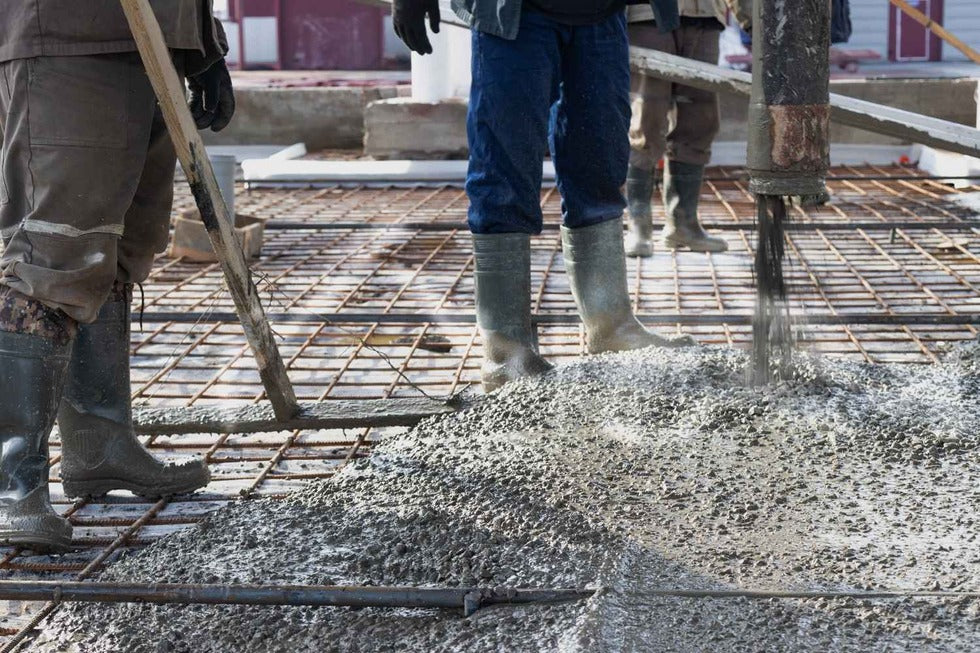
The other classic? Rebar that wanders during the pour. You set everything perfect, then the crew hits the chute and the steel shifts. Chairs and dobies are not optional. Without them, your careful spacing means nothing once the mud starts flowing.
Going too deep causes headaches too. Rebar sitting way back from the edge is not doing its job where the tension lives. Balance is the whole game.
At Factory Direct Supply, we stock what contractors actually need. Rebar in the sizes you reach for every day, plus custom lengths when the job gets weird. Our team has been shipping out of South Florida since 2000, and we know what local inspectors flag. That kind of product know-how is what Factory Direct Supply was built on back when we started, and it still drives everything we do today.
The catalog covers more than just rebar too. Our all products & master catalog gives you a look at everything we keep on hand. Free shipping kicks in on orders over 50 bucks, which is nice when you just need to grab a few things fast.
A lot of supply houses treat you like a number. We refuse to do that. After more than two decades serving contractors, Factory Direct Supply still runs on knowing our products cold and getting orders out the door fast. No games, no runaround.


