
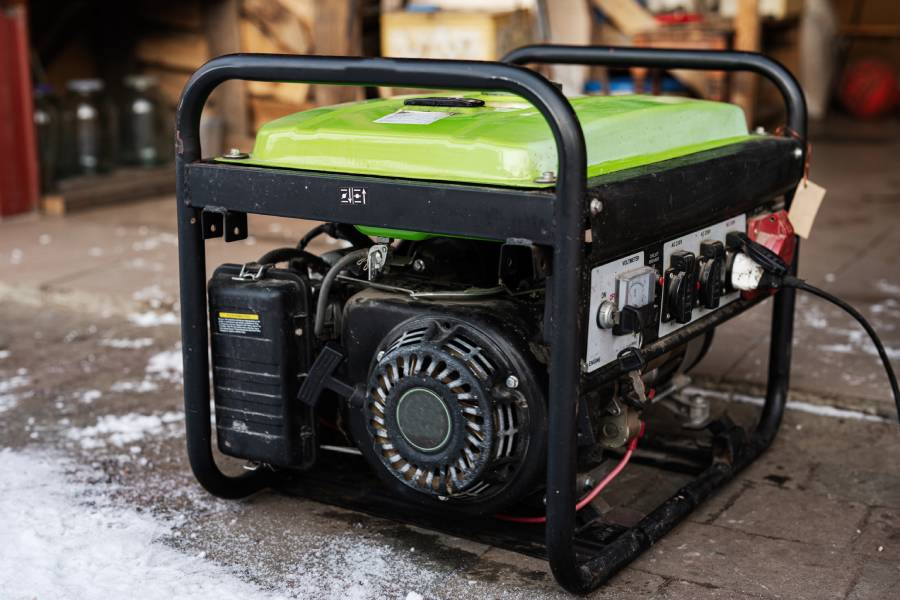
Generators can be lifesavers during power outages, but safety must always come first. Understanding proper generator safety helps protect your family, property, and equipment from harm. These safety tips apply to all types of generators, including portable inverter generators, which are commonly used for homes and small job sites.
Operate Your Generator Outdoors and Away from Windows
A generator produces carbon monoxide, a dangerous gas that can build up quickly in enclosed areas. It must always run outdoors on a dry, flat surface where exhaust fumes can move freely. Keeping it at least twenty feet from doors and windows helps prevent dangerous gases from entering your living space.
It is also important to direct the exhaust away from any occupied area. Proper placement prevents fumes from being trapped near vents or openings that lead indoors. Even partial shelter areas like garages or covered porches can be unsafe locations for operation.
Keep Generators Dry and Handle Fuel with Care
Moisture can cause electrical shorts or shock hazards when a generator is running. Always keep the unit protected from rain using a canopy or tent-style cover that allows proper airflow. Never touch the generator with wet hands or use it near standing water to avoid electrical risks.
When refueling, turn the generator off and allow it to cool completely. Gasoline spilled on a hot engine can ignite easily and cause serious fire damage. Store fuel in approved containers outside your living area and never overfill the tank when refueling.
Use the Correct Power Cords and Load Capacity
Overloading your generator can damage appliances or the generator itself. Check the wattage of the tools and devices you plan to use and select a generator capable of handling that load comfortably. Using heavy-duty, outdoor-rated extension cords designed for the total power draw keeps your setup safe and efficient.
Inspect cords for frays, cracks, or missing grounding pins before connecting them. Avoid running cords under rugs or through doorways, as heat buildup can occur. Using the proper cords and respecting load limits extends the life of your equipment and keeps electrical systems stable.
Maintain and Test Your Generator Regularly
Regular maintenance helps your generator work safely and efficiently during emergencies. Run the unit for a few minutes every month to keep its internal components lubricated and to check for potential issues. Replace old fuel and use a stabilizer if the generator sits unused for extended periods.
Cleaning air filters, checking spark plugs, and tightening loose connections can prevent unexpected failures. Follow the manufacturer’s service schedule to keep the engine reliable. By testing the generator in advance, you will have peace of mind that it is ready to perform safely when the power goes out.
Safe and Reliable Generators for Every Job
At Factory Direct Supply, we know how important safety and reliability are when it comes to powering your home or worksite. Our selection of portable generators includes trusted brands and dependable models designed to meet your needs. We also offer expert advice and fast shipping to keep your projects moving.